October 22, 2026
Water damage can affect far more than the visible surfaces of a home. A leaking pipe, overflowing appliance, roof leak, or severe storm can allow moisture to spread through flooring, walls, insulation, and structural materials. Even when standing water is removed quickly, moisture trapped in hidden areas can continue causing problems long after the initial incident. Understanding how water damage affects different parts of a home can help homeowners recognize warning signs and take appropriate action before minor issues become extensive repairs.
Professional restoration services can help identify affected materials, remove excess moisture, and address damage throughout a property. Water damage companies use specialized equipment and established restoration procedures to assess the extent of the problem and determine which materials can be salvaged. By understanding the risks to floors, walls, and structural components, homeowners can make informed decisions about protecting their properties and restoring a safe indoor environment.
How Water Damage Affects Flooring
Flooring is often one of the first areas to show signs of water damage. Depending on the type of flooring and how long moisture remains present, the effects can range from minor discoloration to extensive material deterioration. Water may enter through visible spills, damaged plumbing, leaking appliances, or flooding, allowing moisture to seep beneath the surface and affect the layers underneath.
Hardwood floors are particularly vulnerable to prolonged moisture exposure. Wood naturally absorbs water, which can cause individual boards to swell, warp, cup, or buckle. Once the moisture level changes, the boards may shrink or develop gaps as they dry. In some cases, the damage is severe enough that affected sections must be replaced rather than refinished.
Laminate flooring can also deteriorate when water penetrates its seams. The inner layers may swell, causing edges to lift or surfaces to become uneven. Carpet presents different challenges because moisture can become trapped in the fibers, padding, and subfloor. If these materials remain damp, unpleasant odors and microbial growth may develop.
Tile and stone flooring are generally more resistant to water than many other materials, but the surrounding grout, adhesive, and subfloor can still be affected. Water that travels beneath tiles may loosen the bond between the flooring and its base, eventually causing tiles to crack or shift.
Water damage companies can evaluate flooring materials, check for moisture beneath visible surfaces, and determine whether drying or replacement is necessary. Addressing the problem promptly can help prevent additional deterioration and reduce the likelihood of needing more extensive repairs.
How Water Damage Damages Walls
Walls can absorb and retain moisture even when the visible signs appear minor. Water from plumbing leaks, roof damage, or flooding may enter through small openings and spread behind paint, wallpaper, drywall, and other finishes. Because much of this moisture remains concealed, homeowners may not recognize the full extent of the damage until noticeable changes appear.
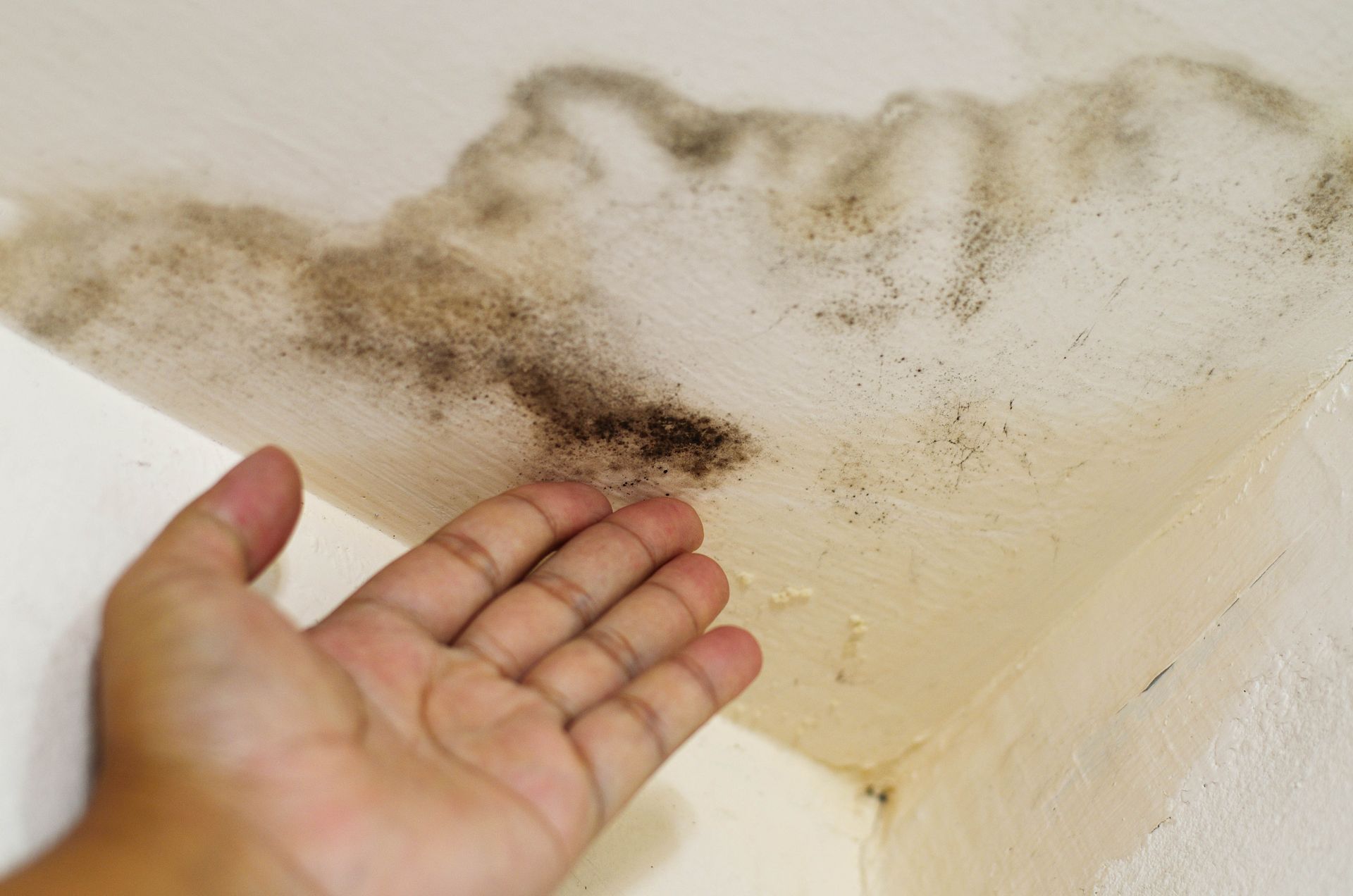
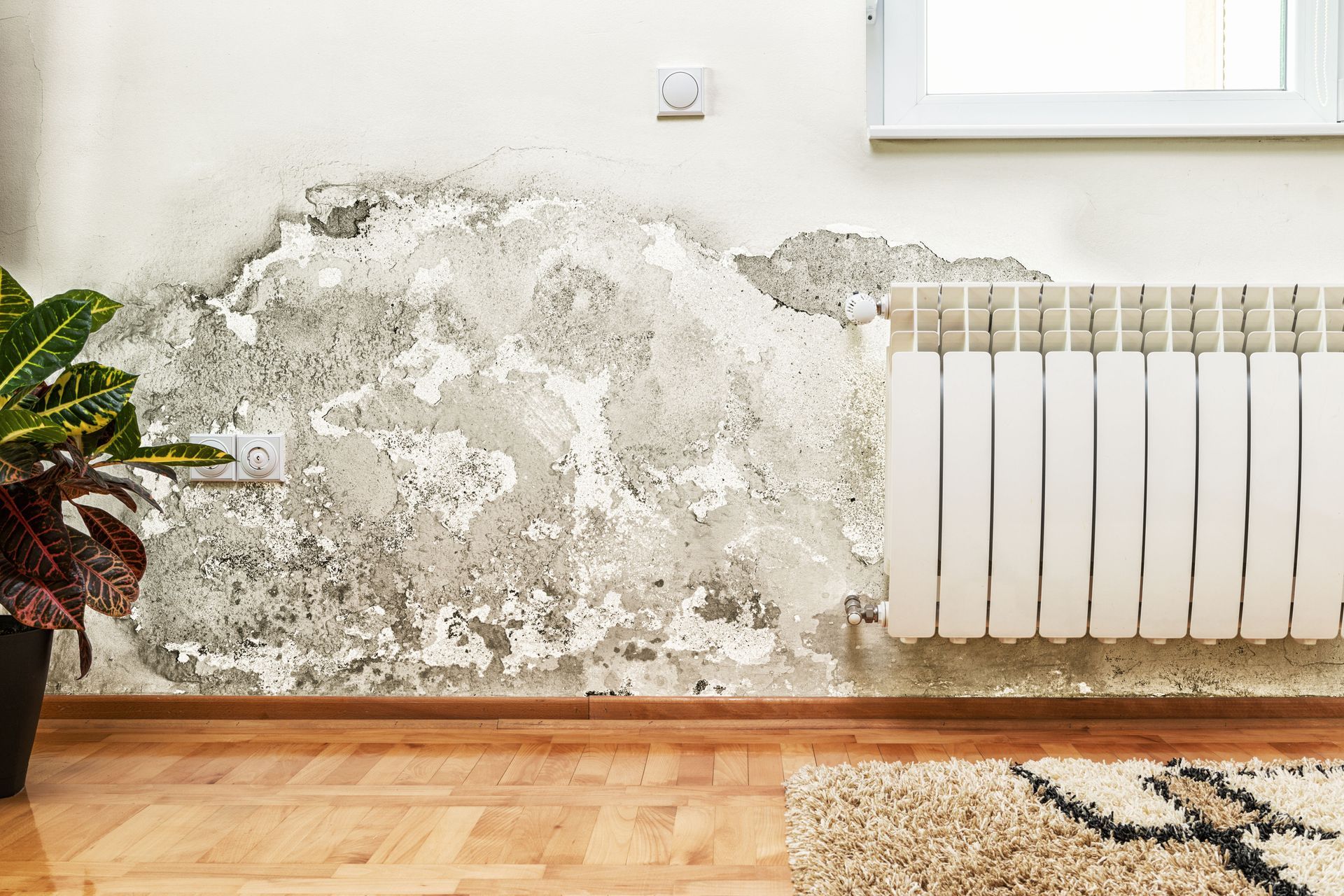
Drywall is especially susceptible to water exposure. When it becomes saturated, it may soften, swell, crumble, or lose its ability to maintain its original shape. Paint can blister or peel, while wallpaper may loosen at the seams. Brown or yellow stains may also develop as water carries minerals and other substances through the wall surface.
Insulation inside exterior walls can create additional complications. Fiberglass insulation may retain moisture between its fibers, while other insulation materials may lose effectiveness or require removal depending on their condition. Damp insulation can also slow the drying process by keeping moisture near wall framing and other building components.
Another concern is the development of mold. According to the U.S. Department of Labor, mold usually begins forming within 24 to 48 hours after water damage. This makes prompt moisture removal particularly important, especially in areas where humidity is high or ventilation is limited. Mold growth can occur behind baseboards, inside wall cavities, and around window frames, making it difficult to identify without a thorough inspection.
Water damage companies can use moisture meters and other assessment tools to identify affected areas beyond the visible stains. Depending on the findings, restoration may involve drying wall cavities, removing damaged drywall, replacing insulation, and addressing mold contamination when present. Properly evaluating the entire affected area helps reduce the chance of hidden moisture causing recurring problems.
How Water Damage Weakens Structural Components
The structural components of a home provide the support needed to keep floors level, walls stable, and the building secure. When water reaches these materials, the consequences can extend beyond cosmetic damage. Floor joists, wall studs, subflooring, support beams, and other wood components may deteriorate if moisture exposure continues.
Wood framing can absorb water and expand, potentially contributing to warping or changes in the alignment of building materials. Repeated wetting and drying may also cause wood to crack or split. When moisture remains trapped for extended periods, wood decay can become a concern, particularly in areas with poor ventilation.
Subflooring is another important area to inspect. Water that travels beneath finished flooring can weaken wood-based panels, loosen fasteners, and create soft or uneven spots. Homeowners may notice squeaking, movement underfoot, or floors that feel less stable than before. These symptoms do not always indicate major structural damage, but they warrant further evaluation.
Water can also affect concrete and masonry. Although these materials are not damaged in the same way as wood, moisture may enter through cracks, contribute to deterioration, or carry salts to the surface. In colder climates, repeated freezing and thawing of water within vulnerable masonry can contribute to cracking and surface damage.
The extent of structural damage depends on the water source, exposure time, building materials, and the condition of the property before the incident. Water damage companies can assess visible and concealed moisture, but significant concerns involving sagging floors, shifting walls, or weakened supports may require evaluation by a qualified structural professional.
Taking these warning signs seriously helps homeowners avoid overlooking damage that could affect the stability and long-term condition of the building.
How Water Damage Creates Hidden Problems
Not all water damage is immediately visible. Moisture can travel through small gaps, follow plumbing lines, and collect in enclosed spaces where airflow is limited. As a result, the area where water first appeared may not be the only location requiring attention.
Crawl spaces, basements, attics, and wall cavities are common places for moisture to accumulate. A roof leak, for example, may allow water to travel along rafters before reaching a ceiling. Similarly, a plumbing leak on an upper floor may affect the ceiling below and continue into walls or flooring. These pathways can make the true extent of the damage difficult to determine through visual inspection alone.
Persistent moisture can also contribute to musty odors, damaged finishes, and deterioration of nearby materials. If mold develops, simply cleaning the visible surface may not address the underlying issue. The moisture source must be corrected, and affected materials must be assessed and treated appropriately.
Electrical systems may present another concern when water reaches outlets, wiring, fixtures, or electrical panels. Homeowners should avoid touching wet electrical equipment and should have potentially affected systems evaluated by a qualified electrician before using them again.
Professional restoration teams can help locate hidden moisture using specialized detection equipment and assess which areas require additional investigation. Water damage companies may also coordinate with plumbers, electricians, contractors, or other qualified professionals when repairs extend beyond drying and restoration.
A thorough assessment is important because visible improvements do not necessarily mean that all affected areas are dry. Confirming that moisture levels have returned to appropriate conditions helps reduce the risk of continuing damage.
From warped floorboards and deteriorating drywall to weakened framing and hidden mold growth, prolonged moisture can create problems that become more expensive to address over time. Recognizing warning signs and responding quickly can help limit the damage and support a more effective recovery. Environmental Restorations, INC can help homeowners understand their restoration needs and take appropriate steps toward repairing affected areas. With timely action, thorough moisture assessment, and proper restoration procedures, homeowners can protect their living spaces and reduce the risk of recurring water-related problems. Contact us today for more information.